Oklahoma · Criminal Defense · Civil Rights
What are Flock cameras, and can police search your travel history without a warrant?
An Oklahoma federal judge excluded evidence after a deputy searched a driver's stored plate history without a warrant. The October 1 order also found that the deputy unlawfully prolonged her traffic stop; it does not ban the cameras nationwide.
- Written by
 Emily Chen
- Published
- Decision
- October 1, 2026
- Case
- United States v. Kyle, 26-CR-00189-SEH
At a glance
The practical result
- Court
- U.S. District Court, Northern District of Oklahoma
- Outcome
- Motion to suppress evidence granted
- Law
- Fourth Amendment protection against unreasonable searches and seizures
- Immediate effect
- Evidence from the history search and subsequent car search excluded in Kyle’s case
In this article
Short answer: In one Oklahoma federal judge's view, seeing your plate on a public road doesn't make a month of your movements fair game. On October 1, U.S. District Judge Sara E. Hill ruled a warrantless search of stored vehicle-location records unconstitutional and excluded evidence in United States v. Kyle. Her order changes what prosecutors can use in that case, not whether Flock cameras may operate across the country.
What are Flock cameras recording?
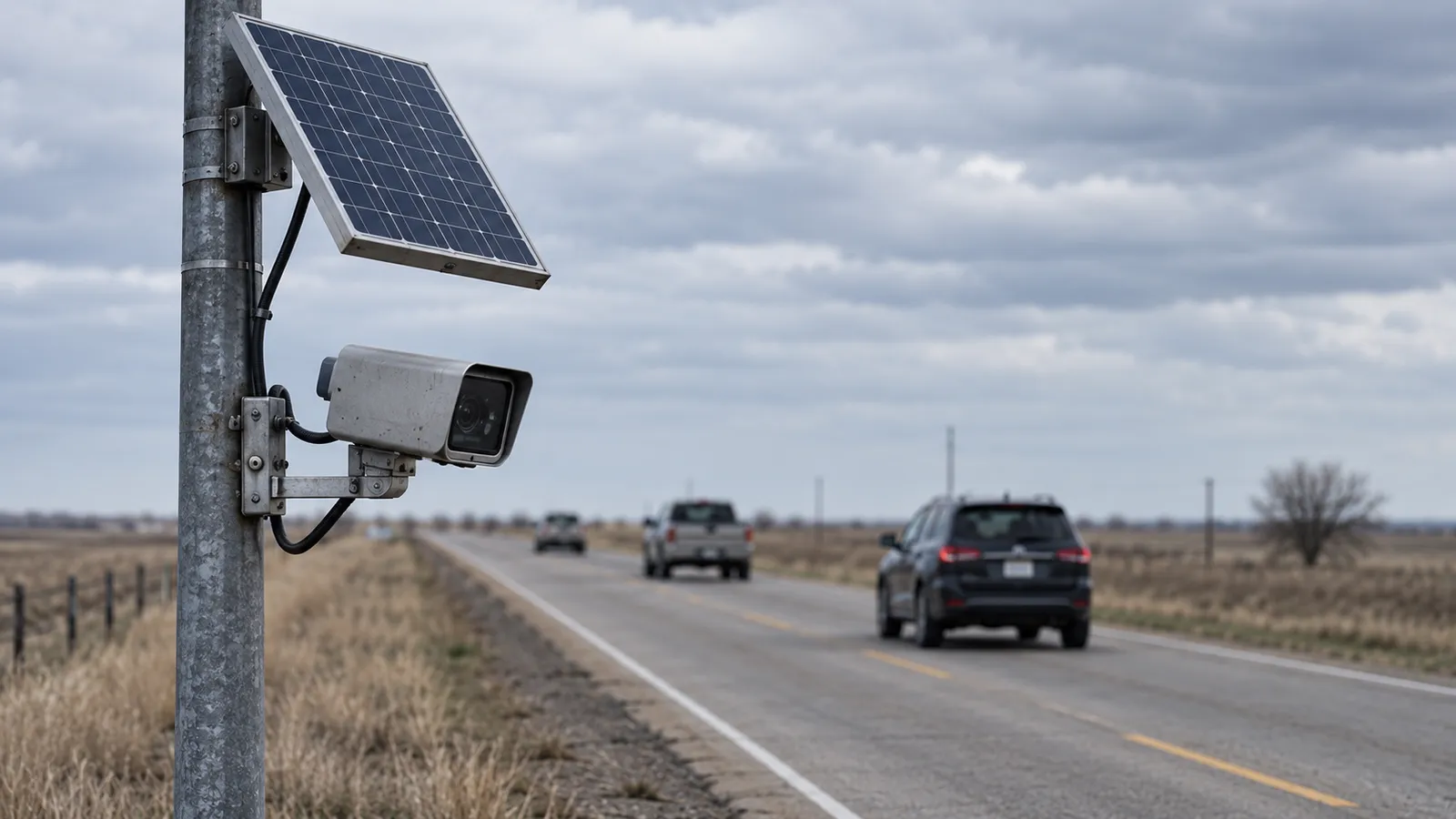
Flock license plate cameras photograph vehicles and turn plate sightings into searchable records of where and when a car passed. That matters even if you're never stopped: the stored records can let an officer look backward through a vehicle's movements, rather than just notice it on the road.
The Titusville Police Department describes rear-of-vehicle still photographs that officers can search by plate, vehicle type or color. Columbia, Missouri's description of its plate-reader cameras says they capture vehicle details, not identifiable images of people or faces, and do not use facial recognition. Those descriptions concern license plate readers, not every video product sold under the Flock name.
Flock's wider platform also includes video search. The company says FreeForm's person searches use video rather than plate-reader footage, and that sharing depends on permissions from participating agencies or property owners. A camera's capabilities and who can search its records both matter; the brand name alone doesn't answer either question. Flock has said its cameras run in about 6,000 communities, AP reported in September 2026, a company figure that changes as agencies add or drop them.
Why the warrantless history search failed
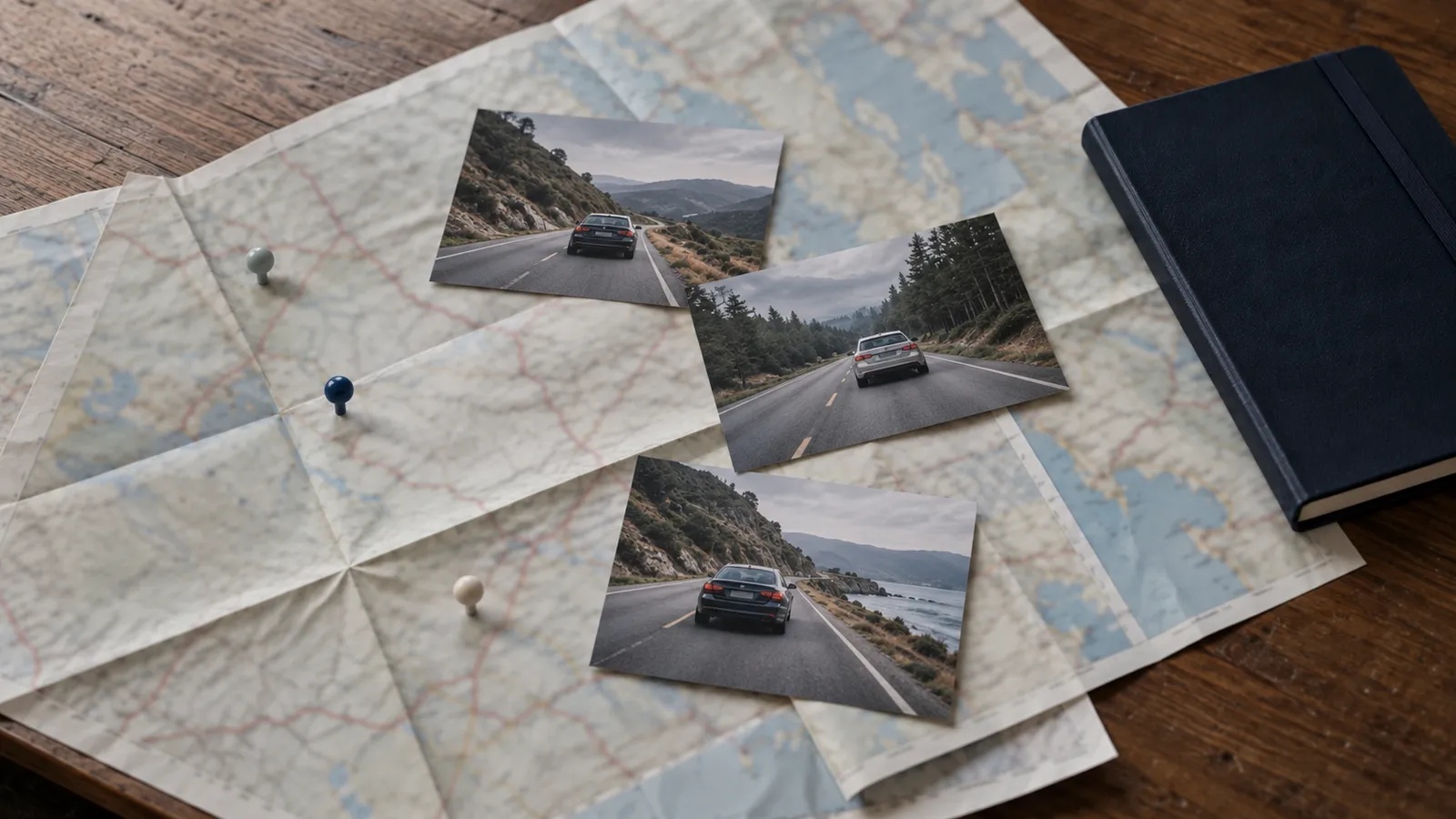
The deputy's history query exposed more than 50 sightings over a month, and Hill treated that accumulated record as a search protected by the Fourth Amendment. Her opinion describes Flock and VehicleManager records, so the ruling concerns the combined automated plate-reader systems used in this stop, not a test of every Flock product.
Tulsa County Deputy Freddie Alaniz initially queried the California plate on Melisa Susan Kyle's rented Mazda SUV because it was from California. Hill found that the query had no other basis at that point, was not supported by probable cause and had no warrant. The records then helped the deputy question Kyle's account of her road trip.
“This is a type of indiscriminate mass surveillance,” Hill wrote. Her concern was the continuously updated history available on demand: scattered public sightings could reveal movements across states over time. For a driver, the important change is the jump from an officer seeing one car to reconstructing a month's travel.
The case arose in Oklahoma, but the database search reached records beyond one road or one state. The opinion says Alaniz could not access California's records; it does not establish that he tracked Kyle inside California.
The traffic stop had a second constitutional problem
Hill also found that the deputy unlawfully kept Kyle after the traffic warning was complete. That was an independent reason to exclude evidence, even apart from the history-search ruling.
The opinion upheld the initial stop for following too closely. After returning her license and issuing a warning, Alaniz continued asking questions; Kyle agreed to answer, but refused a vehicle search. He then detained her for a drug-detection dog without the reasonable suspicion needed to extend the stop. Her travel pattern and ordinary nervousness, considered with the other circumstances, did not supply it.
The judge rejected the government's attempt to use Kyle's later statement about marijuana to justify a detention that had already begun. Timing mattered: the deputy needed a lawful reason when he held her, not something that emerged afterward. Someone facing charges after a similar stop has a criminal defense question about how the evidence was obtained, not an automatic dismissal based on the camera brand.
Are Flock cameras legal without a warrant?
There is no nationwide yes-or-no answer from this order. Hill ruled that this historical query violated the Fourth Amendment; she did not outlaw installing cameras or declare every plate lookup unlawful.
The government argued that the deputy obtained information about movements on public roads, where people generally lack an expectation of privacy. Hill acknowledged that principle but distinguished the earlier case about tracking a particular trip from a network that stores many vehicles' movements and makes their histories searchable. The opinion acknowledges that nearly every court to examine the issue so far, including three other federal judges in Oklahoma, has held that plate-reader use is not a search. Hill's ruling is the exception, not a settled nationwide rule.
Flock, which was not a party to Kyle's case, told 404 Media it expects the ruling to be appealed and overturned. That is the company's forecast, not notice that the government has filed an appeal. Its point about the order's reach is accurate: a district judge's decision does not bind other courts.
The difference between recording and querying also separates this case from the fight over California gun-dealer surveillance, which concerns recording requirements at dealers. Both belong to the broader question of federal courts and government power, but neither ruling answers every surveillance dispute.
| Question | What the October 1 order does |
|---|---|
| Can prosecutors use the challenged evidence in Kyle’s case? | No. The judge suppressed evidence from the history query and the subsequent vehicle search. |
| Must cities remove Flock cameras? | No. The order does not require camera removal. |
| Was Kyle acquitted or her case dismissed by this order? | No. Suppressing evidence is not an acquittal or dismissal. |
| Must another judge follow Hill’s conclusion? | No. This district-court order is not controlling precedent for other courts. |
How the case reached the October 1 order
Kyle's challenge reached an evidence hearing before Hill issued the suppression order. The case docket records the motion, hearing and decision. The same day, Kyle asked the court to vacate the order keeping her in detention, and the government did not oppose. The court then struck the October 6 jury trial and set a status conference and a detention hearing for October 5. As of October 6, the public docket does not show what happened at either hearing or a new trial date.
Federal law gives the government 30 days to appeal an order suppressing evidence, which runs to October 31, 2026. An appeal would go to the Tenth Circuit, and the U.S. attorney must certify that it is not taken for delay and that the excluded evidence is substantial proof of a material fact.
Kyle files her motion to suppress evidence, Document 47.
The court holds an evidentiary hearing on the motion, Document 58.
Hill grants the motion in a 38-page Opinion and Order, Document 62.
Kyle files an unopposed motion to vacate the order keeping her in detention, Document 63.
The court strikes the October 6 jury trial and sets a status conference and a detention hearing for October 5, Documents 65 to 67.
What local camera policies need to establish
Local policies need to explain access to stored records, not just where cameras stand. Kyle's case shows why a month's searchable history can matter more than an individual photograph. For people concerned about a police agency's surveillance practices beyond a criminal prosecution, that can raise a civil rights question.
Titusville's published policy requires a reason for each query and management audits. It says scans are purged after 30 days unless saved in connection with a case. That is one agency's policy, not a retention guarantee for every Flock customer or every copy shared elsewhere.
- Which equipment records vehicle stills, and which equipment records live video.
- Who can search stored sightings, including access granted to other agencies.
- How long records remain available and when a case preserves them beyond the ordinary period.
- Whether query reasons, search logs and audits are required, and what information about them is public.
Flock cameras FAQs
Do Flock cameras take pictures?
Yes. Flock license plate readers take vehicle photographs that become searchable plate sightings. Some Flock deployments also include separate live-video cameras; a plate-reader photograph and a live-video feed are different records.
How widespread are Flock cameras?
Flock has said its cameras run in about 6,000 communities, AP reported in September 2026. That is the company's own figure, not an independent count, and it changes as police agencies and cities add or drop the cameras.
Do Flock cameras violate the Fourth Amendment?
Most courts so far have said no. Hill's order notes that nearly every court to examine the question, including three other federal judges in Oklahoma, has held that using plate-reader technology is not a Fourth Amendment search. Hill disagreed and ruled that the deputy's warrantless search of a month of stored travel history in Kyle's case was unconstitutional. Her order does not bind other courts, and neither the Supreme Court nor the Tenth Circuit has decided the question.
Does Florida have Flock cameras?
Yes. Titusville describes its use of Flock plate readers and live-feed cameras. AP reported in September 2026 that Florida had ordered automated plate readers removed from state-highway rights-of-way; that siting decision is different from a statewide ban on local police use.
Need a lawyer?
Dealing with something like this?
Legal issues like this affect people and businesses differently. A lawyer can explain what it means for you, and we can help you find one in Oklahoma.
Juricue is not a law firm and doesn't give legal advice. Contacting us doesn't create an attorney-client relationship.