United States · Consumer Law · Business & Corporate Law · Appeals
Is the Invisalign class action an Invisalign settlement that pays you back?
The Ninth Circuit revived claims that Align Technology unlawfully restricted competition. The October 5 ruling gives patients and dental practices another chance to prove their case, without awarding refunds.
- Written by
 Emily Chen
- Published
- Decision
- October 5, 2026
- Cases
- Simon and Simon / Snow v. Align, Nos. 24-1703 and 24-1783
At a glance
The practical result
- Court
- Ninth Circuit, all three judges agree on reversal
- Outcome
- Judgment for Align reversed; claims sent back for trial
- Law
- Sherman Act section 2, monopolization
- Immediate effect
- Plaintiffs can pursue the claim; no refund awarded
In this article
- What the court changed for Invisalign buyers
- Which patients and dental practices the cases cover
- Why dental scanners are part of a pricing lawsuit
- Why Align's patent defense did not end the case
- Is this the $31.75 million Invisalign settlement?
- How the cases reached the October ruling
- What the ruling leaves for the trial court
- What to verify about your purchase or notice
- Your refund and treatment questions
Short answer: No, the Ninth Circuit reversed a judgment for Align Technology on October 5, 2026, allowing the Invisalign class action to proceed toward trial. If you paid for Invisalign, the ruling gives the plaintiffs a renewed chance to prove that restricted competition drove up prices; it does not award you money or create a refund program. The $31.75 million settlement for SmileDirectClub purchases concerns a different claim, even though it shares the Snow case name.
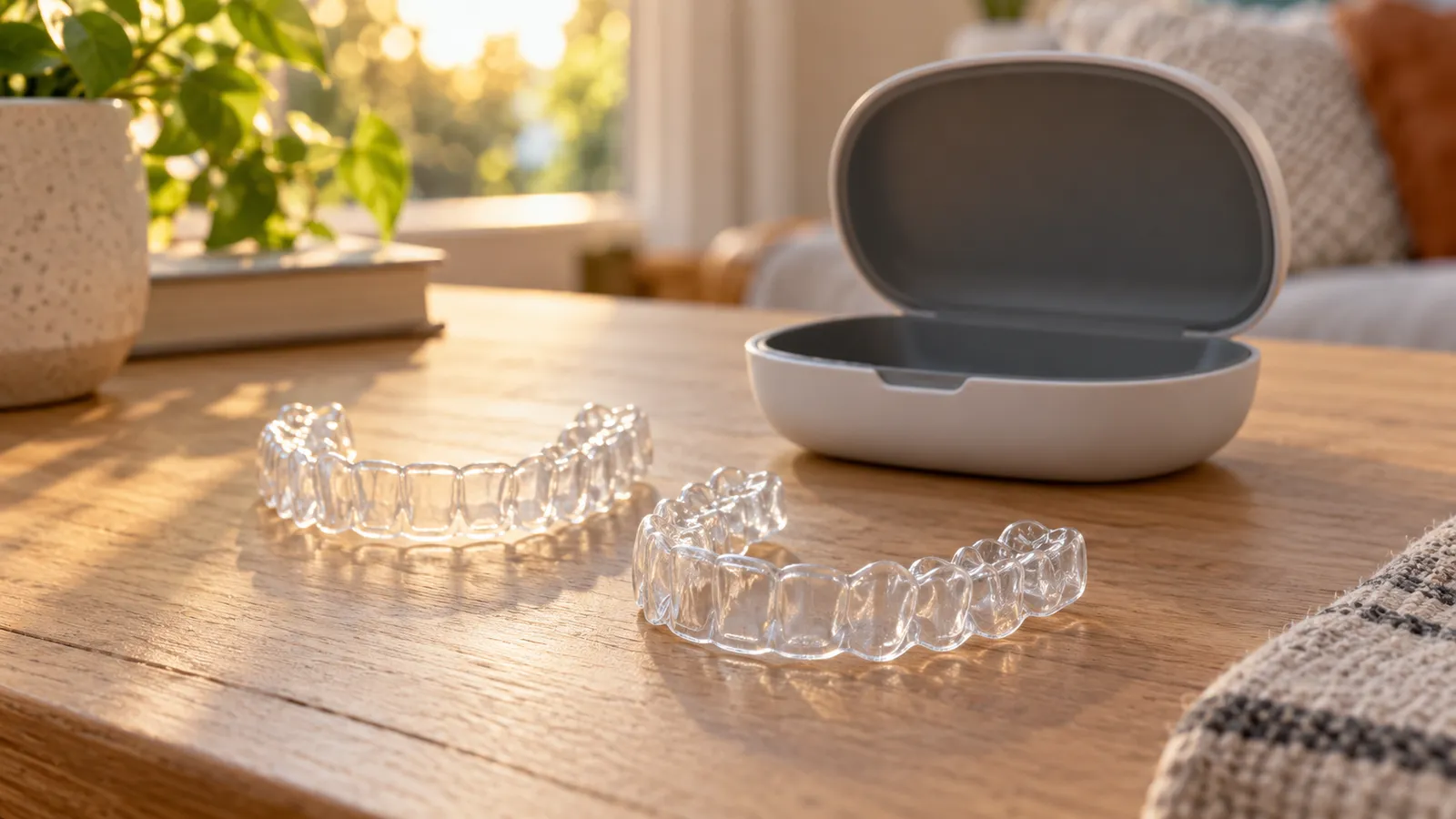
What the court changed for Invisalign buyers
The court restored a route to trial for dental practices and consumers who accuse Align of unlawfully limiting competition. It overturned summary judgment, a decision ending a claim before trial because the judge believes no important factual dispute needs to be tried. Here, the appeals court found disputes a jury could reasonably resolve in the plaintiffs’ favor, as CPI reported.
The plaintiffs appealed after U.S. District Judge Vince Chhabria ruled for Align. The Ninth Circuit panel consisted of Sidney R. Thomas, Richard A. Paez and Eric D. Miller. All three agreed to reverse the judgment, although Miller disagreed with part of the legal reasoning.
The practical gain is a chance to prove the pricing claim, rather than a finding that every buyer overpaid. A consumer lawyer who handles antitrust class actions can distinguish a possible class claim from a dispute about your own treatment agreement.
Which patients and dental practices the cases cover
The two suits concern different points in the same sale: dental practices buying from Align and patients buying Invisalign through their providers. Simon and Simon brought the practice case in 2020; Misty Snow and other consumers brought theirs in 2021.
The October opinion describes three groups certified by the trial court. A nationwide class seeking an order to change company conduct is different from a class seeking money, so the word “nationwide” alone does not establish a nationwide right to damages.
The state-law claims matter because the federal rule generally prevents indirect purchasers from recovering these overcharge damages under federal antitrust law. The opinion identifies ten state damages classes without spelling out their full purchase periods or membership terms. Your purchase must be compared with the applicable class definition before anyone can assess whether that claim covers you.
| Purchaser group described in the opinion | What the class seeks |
|---|---|
| Direct aligner purchasers, nationwide | Damages for purchases directly from Align. |
| Indirect aligner purchasers, nationwide | An injunction, meaning a court order changing conduct. |
| Indirect aligner purchasers in ten states | Damages under state antitrust laws. |
Why dental scanners are part of a pricing lawsuit
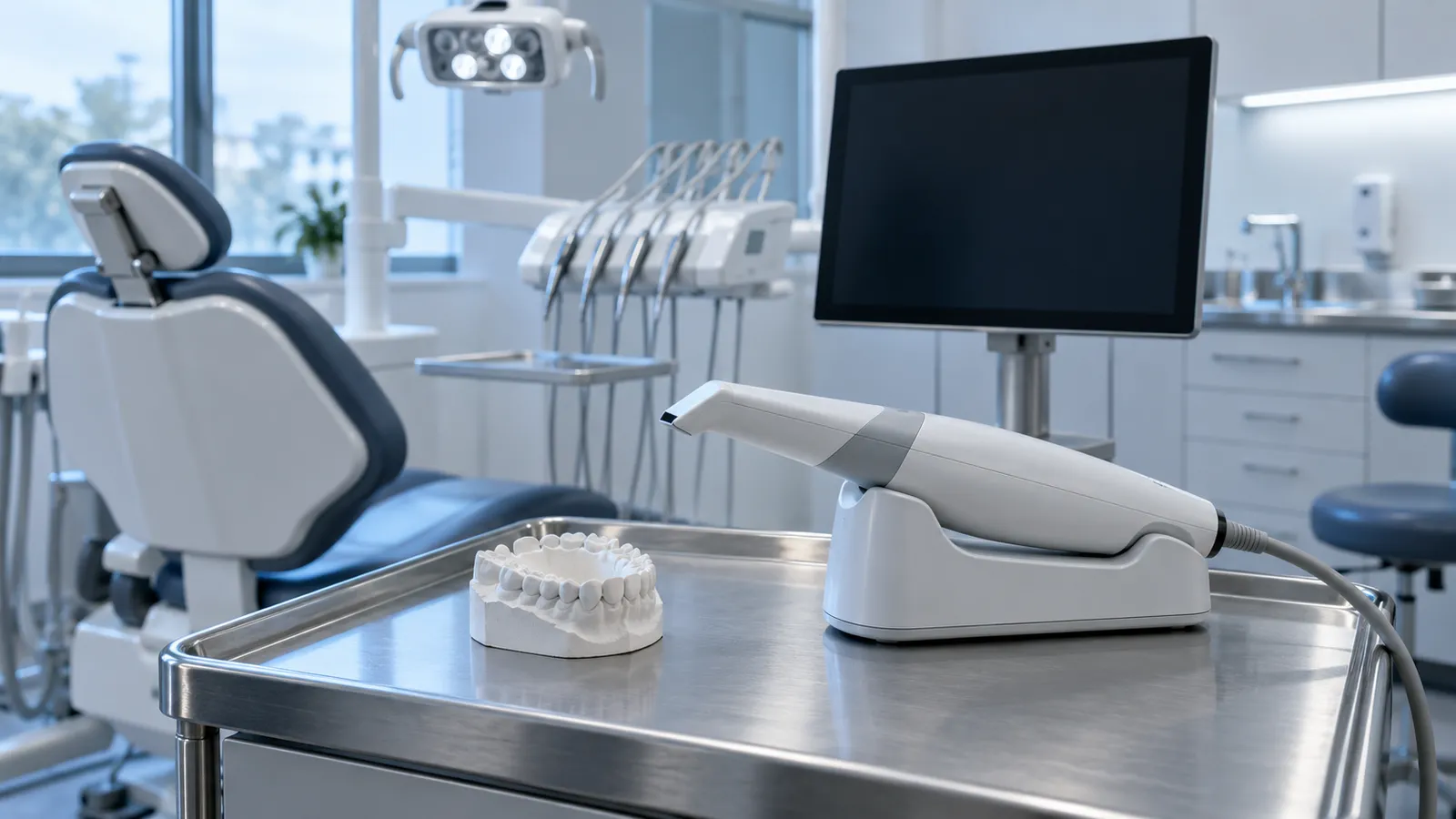
The scanner determines which ordering channel a dental practice can use. Align makes both Invisalign aligners and the iTero scanner used to take digital impressions of teeth; 3Shape makes the competing TRIOS scanner, designed to work with different aligner manufacturers.
In December 2015, Align agreed to accept TRIOS scans for Invisalign orders. In December 2017, it announced that it would end that connection in the United States. The opinion describes a profitable relationship that Align stopped while continuing to accept TRIOS scans outside the United States and maintaining agreements with other scanner companies.
Suppose a dental practice already used TRIOS to send scans for Invisalign orders. Cutting that connection removed an established way to place those orders. The plaintiffs contend that this also helped shield Invisalign from competing aligners that could use TRIOS’s open system, and that the resulting loss of competition raised prices.
That is why a dispute over equipment can reach a patient’s bill. It is a claim about the available routes to compete and sell aligners, not a claim that a particular scanner produced a bad clinical result. For a practice facing equipment and purchasing-contract questions, business and corporate lawyers may handle the commercial side of the problem.
Why Align's patent defense did not end the case
Align says ending that connection protected its position in patent litigation against 3Shape. The appeals court accepted that Align had offered a business justification, but held that the plaintiffs had enough contrary evidence to challenge whether it genuinely promoted competition or explained the decision.
The trial judge had treated a partly legitimate business reason as sufficient to end the claim. The majority said the analysis also had to allow the plaintiffs to rebut that reason. Their patent expert testified that ending compatibility could weaken Align’s patent position rather than strengthen it.
Internal company records supplied another possible explanation. The opinion quotes an Align presentation stating, “No 3-Shape interoperability eliminates primary competition.” The court also acknowledged that the evidence could be interpreted in ways favorable to Align. At this stage, a judge could not choose between those competing explanations as though a jury had already weighed them.
The court also put a condition on Align's use of its chief executive's explanation. If Align keeps relying on his belief that ending the scanner connection would help its patent case, the trial court should reopen evidence gathering. Align would then have to turn over related material that the court says it can no longer keep confidential under attorney-client privilege, the protection for private legal advice. The order covers that material, rather than every communication with Align's lawyers.
| Disputed issue | What the appeals court decided |
|---|---|
| Was there enough evidence of potentially unlawful refusal to deal? | Yes. The plaintiffs cleared the initial threshold. |
| Could Align offer its patent-litigation explanation? | Yes. That explanation satisfied its burden to offer a business reason. |
| Did that explanation actually promote competition or supply the real motive? | A jury could dispute both points; summary judgment was improper. |
| Were bundling and exclusive contracts independently unlawful? | Not decided. The trial court must assess properly preserved additional claims. |
Is this the $31.75 million Invisalign settlement?
No. That settlement concerns SmileDirectClub purchases and a different antitrust claim within Snow v. Align. The court-ordered settlement notice describes an alleged agreement between Align and SmileDirectClub under Sherman Act section 1; the October appeal addresses refusal to deal under section 2.
The settlement group covers people in the United States who purchased, paid for or reimbursed some or all of the price of SmileDirectClub aligners for personal use from October 22, 2017 through August 18, 2022, subject to exclusions. Buying Invisalign alone does not satisfy that SmileDirectClub purchase definition.
Judge Chhabria granted final approval on November 21, 2025. The order lists October 27, 2025 as the claims deadline. That date has passed, and the October 2026 opinion does not reopen it. On September 28, 2026, the judge approved a second payment from what is left of the fund, going only to class members who claimed their first payment, are awaiting a reissued one, or hold one that has not expired; it is due by November 1, 2026, or 35 days after the order, whichever is later. The notice provided for automatic claims for certain purchasers identified in company records and timely claims for other eligible members; it describes payments from a shared fund after fees and expenses, rather than repayment of everyone’s full treatment bill.
There is also an older settlement between Align and 3Shape, announced on February 7, 2022, with confidential terms. That resolved litigation between the companies. It was not a patient class payment program. A settlement headline without the purchaser and claim can therefore send you toward the wrong remedy.
How the cases reached the October ruling
The scanner arrangement ended years before the appeals decision. The separate SmileDirectClub settlement proceeded while the scanner claims were on appeal, which explains why the same case name appears beside both a settlement and a new court ruling.
The Ninth Circuit hears argument in the two appeals.
The trial court approves the separate SmileDirectClub settlement in Snow.
The Ninth Circuit reverses summary judgment on the refusal-to-deal claim and sends the cases back.
What the ruling leaves for the trial court
The October 5 opinion sends the disputed refusal-to-deal claim back to the federal trial court in Northern California. It also leaves that court to decide how to handle any additional claims that were preserved and properly presented. The opinion does not set a trial date or establish an individual payment amount.
Joshua P. Davis, plaintiffs’ counsel at Berger Montague, called it “an important win for the dentists and patients who allege they paid more for Invisalign because Align shut out competition.”
A win in the appeals process gives these buyers a route to present evidence, not a finding that they overpaid.
What to verify about your purchase or notice
The product you bought and the remedy named in a notice determine which legal question you have.
Class counsel or the settlement administrator can address a notice-specific question. An individual contract dispute or claimed treatment injury may need advice specific to your situation. You can request legal help with that separate issue. Juricue is not a law firm, and contacting Juricue does not create an attorney-client relationship.
Check these details against the applicable notice:
- Product and seller: whether the purchase was Invisalign through a provider, Invisalign directly from Align, or SmileDirectClub aligners.
- Purchase period and location: whether the dates and geography match the applicable class definition, including any exclusions.
- Claim and remedy: whether a notice concerns scanner-related monopolization, the SmileDirectClub settlement, damages or an order changing conduct.
- Payment question: whether it concerns a prior settlement claim or an expectation created by the new appeal; the October opinion supplies no payment schedule.
Your refund and treatment questions
The October ruling concerns alleged restrictions on competition. Invisalign says treatment cost depends on your case’s complexity and the number of aligners your doctor determines you need; the ruling supplies no price benchmark or clinical assessment.
Can I get a refund for my Invisalign?
The October 5 ruling does not give you a refund. It permits the antitrust claim to proceed toward trial. Whether you have a separate refund claim cannot be decided from this ruling and depends on your individual circumstances and applicable legal rights.
What if I am not happy with my Invisalign results?
Unhappy treatment results are a different issue from the competition claim revived on appeal. This ruling does not decide whether a provider fulfilled your treatment agreement or whether treatment was appropriate. Your provider can address clinical concerns; a disputed contract or claimed injury needs an individual assessment.
Is $6,000 a lot for Invisalign treatment?
The court did not decide whether $6,000 is a fair treatment price or an overcharge. Invisalign says your doctor sets the cost according to case complexity and the number of aligners needed. The amount on one bill alone does not prove the antitrust claim.
Does the Invisalign class action settlement have a new claims deadline?
No. The October 2026 opinion creates no new claims deadline. The separate SmileDirectClub settlement closed claims on October 27, 2025. A September 28, 2026 order approved a second payment only for class members who claimed, are awaiting or still hold a first payment from that settlement, due by November 1, 2026, or 35 days after the order, whichever is later. It opens no new claims window and does not cover everyone who bought Invisalign.
Did the Ninth Circuit find Align Technology liable?
No. It found sufficient factual disputes to reverse judgment for Align and send the refusal-to-deal claim back for trial. Align may continue to defend its conduct. A buyer’s possible remedy depends on the claim and the class that actually covers the purchase.
Need a lawyer?
Dealing with something like this?
Legal issues like this affect people and businesses differently. A lawyer can explain what it means for you, and we can help you find one.
Juricue is not a law firm and doesn't give legal advice. Contacting us doesn't create an attorney-client relationship.